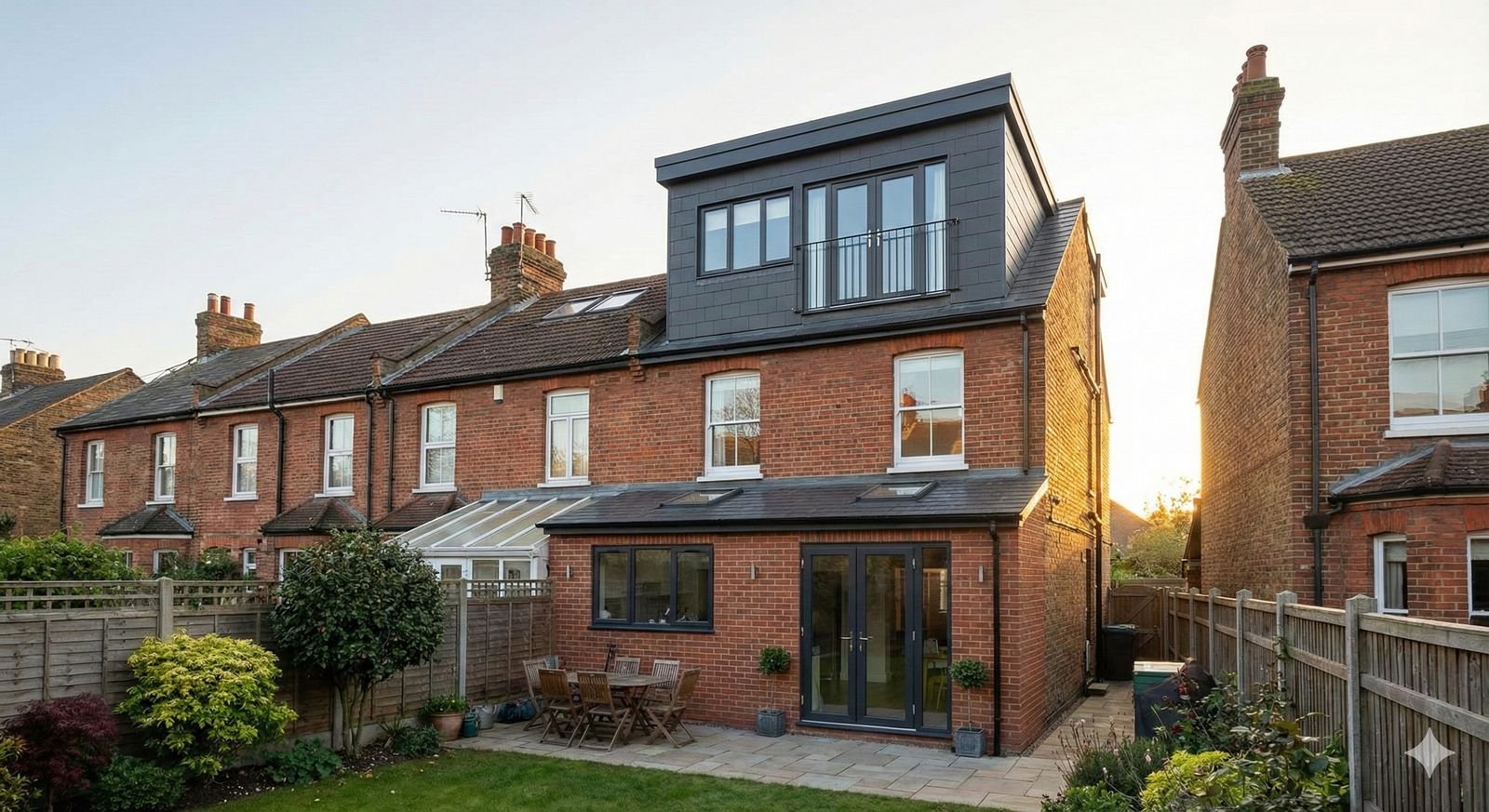
Planning Appeals in Hertsmere
Borehamwood, Radlett, Bushey, Potters Bar and the Green Belt
Hertsmere Borough Council refuses applications mainly on two grounds: harm to the Green Belt, which covers most of the borough, and design that does not meet its Planning and Design Guide. Cedar Planning, led by Dan Malloy MRTPI, checks whether each reason holds up against the policy wording and national policy.
We take on appeals across Hertfordshire, including replacement houses in Radlett, extensions in Bushey and infill schemes in Borehamwood and Potters Bar, and quote each one as a fixed fee.
- RTPI Chartered
- Fixed-fee quotations
- Direct advice from a Chartered Planner
The policy picture behind Hertsmere decisions
The development plan comprises the Core Strategy adopted in January 2013, the Site Allocations and Development Management Policies Plan adopted in November 2016 and the Elstree Way Corridor Area Action Plan adopted in 2015. Policy CS13 covers the Green Belt, SADM26 sets development standards within it, and SADM30 sets the design principles used for most other refusals.
A new Local Plan is close to submission. The council consulted on a further Regulation 18 draft in spring 2026 and published its Regulation 19 plan for representations until 19 November 2026. To be examined under the current system it must be submitted by 31 December 2026. Until examination it carries limited weight.
The Core Strategy's housing target is more than five years old, so supply is measured against the much higher national standard method figure. We confirm the council's latest published supply position for each appeal, because it decides whether the tilted balance applies to schemes that add homes.
Site near a proposed allocation?
The Regulation 19 plan proposes to release some Green Belt land. If your site is next to or within a proposed allocation, the emerging plan and its evidence may support an appeal, or it may be better to make Local Plan representations first. We check before advising.
Typical refusal reasons in Hertsmere
CS13 and SADM26 apply to extensions, replacement dwellings and new buildings outside the towns. The council compares floorspace and volume with the original building and refuses increases it considers disproportionate.
SADM30 and the Planning and Design Guide cover scale, spacing, roof design, privacy and outlook. Large replacement houses in Radlett and Bushey Heath are often refused on bulk and loss of spaciousness.
SADM29 protects conservation areas and listed buildings, including those in Radlett, Bushey, Shenley and Letchmore Heath.
Radlett and Shenley have made neighbourhood plans. Their design and housing policies form part of the development plan and are cited alongside the borough's own.
How a planning appeal against Hertsmere Borough Council works
An appeal gives you an independent decision from a Planning Inspector. We take it through four stages.
Checking the decision
We compare the decision notice with the officer report and the council's floorspace calculations. In Green Belt cases the starting point is whether the council measured the original building correctly.
Agreeing the procedure
Householder appeals use the householder service. Most others go by written representations. Contested Green Belt housing schemes may justify a hearing or inquiry. The Inspectorate confirms the procedure.
Statement of case
We respond to each reason, apply the 2013 and 2016 policies and explain their consistency with national policy. Evidence may cover Green Belt purposes, volume calculations, heritage significance or streetscene analysis.
Visit and decision letter
The Inspector visits the site and issues a written decision. We keep you informed, give a realistic view on timing and explain what the decision means.
Making the case against Hertsmere's policies
Hertsmere's Green Belt policies predate the current national rules. Since December 2024, land that makes a limited contribution to the Green Belt purposes may be treated as grey belt, and the council's own plan documents accept that some grey belt land will be needed for housing.
For replacement houses and extensions, the argument is usually about size. We test the council's figures, compare the scheme with the permitted development fallback and look at what has been approved on neighbouring plots.
Design refusals in Radlett and Bushey often rest on the character of large plots and mature landscaping. A streetscene study and a clear landscaping plan can answer the concern more effectively than argument alone.
Key policy areas we navigate
See our guide to extending a house in the Green Belt for how size increases are judged.
A Lawful Development Certificate can establish what could be built without permission, which Inspectors give real weight.
We prepare heritage statements for conservation area and listed building appeals.
See our Hertsmere Call for Sites page for land with longer-term potential.
A Consultancy That Works With You, For You
Hertsmere's officer reports are detailed, and many refusals come down to a measured judgement about size or spacing. That makes the evidence on site more important than general argument.
We will tell you when a smaller or redesigned scheme is the better answer, and when the council's judgement is open to challenge.
RTPI Chartered
Led by a Chartered member of the Royal Town Planning Institute with more than ten years of public and private-sector planning experience.
Honest Prospects
A realistic view of the planning risks and options before you commit time or money.
Fixed, Transparent Fees
Fixed-fee quotations agreed before work starts, so you know the cost from the outset.
Direct Access
You deal with the Chartered Planner doing the work, not an account manager.
Planning Appeals Across Hertfordshire
We cover every council area in Hertfordshire. See our main Hertfordshire planning appeals page. Looking for help before or instead of an appeal? See our Hertsmere planning consultant page.
Hertsmere Planning Appeal FAQs
Can I appeal a refused replacement house in the Hertsmere Green Belt?
Yes. The test is whether the new house is materially larger than the one it replaces and what effect it has on openness. Accurate measurements and the permitted development fallback are central to the case.
Could my site be grey belt?
Possibly. It depends on how the land performs against the Green Belt purposes and whether other protective policies apply. We assess this before any appeal is made.
Does the Regulation 19 Local Plan help my appeal?
It carries limited weight until it has been examined. Its evidence base, including the Green Belt assessment, can still be relevant. We check what it says about your site.
How long do I have to appeal a refused extension?
Twelve weeks from the date of the decision for a householder application. See our page on householder planning appeals.
Can I appeal an enforcement notice from Hertsmere?
Yes, but the appeal must be made before the notice takes effect, usually 28 days after it is served. See our page on planning enforcement appeals.
Request a Free Appeal Review
Send us the Hertsmere decision notice, the refused plans and the site address. We will tell you honestly whether an appeal has a realistic prospect of success and give you a fixed-fee quote.
Or email us at info@cedarplanning.co.uk with the relevant information.
Send us a Hertsmere decision notice for review, or book a free 15-minute call. Our appeal process guide explains each stage.