
Planning Consultant in West Suffolk
Chartered planning advice for development across West Suffolk's towns, villages and countryside.
Cedar Planning advises homeowners, developers, landowners, architects and businesses across West Suffolk, including Bury St Edmunds, Newmarket, Haverhill, Mildenhall, Brandon, Clare and the surrounding rural areas.
Clients work directly with Dan Malloy MRTPI, a Chartered Town Planner providing clear, policy-led advice from early site appraisal through to planning applications and appeals.
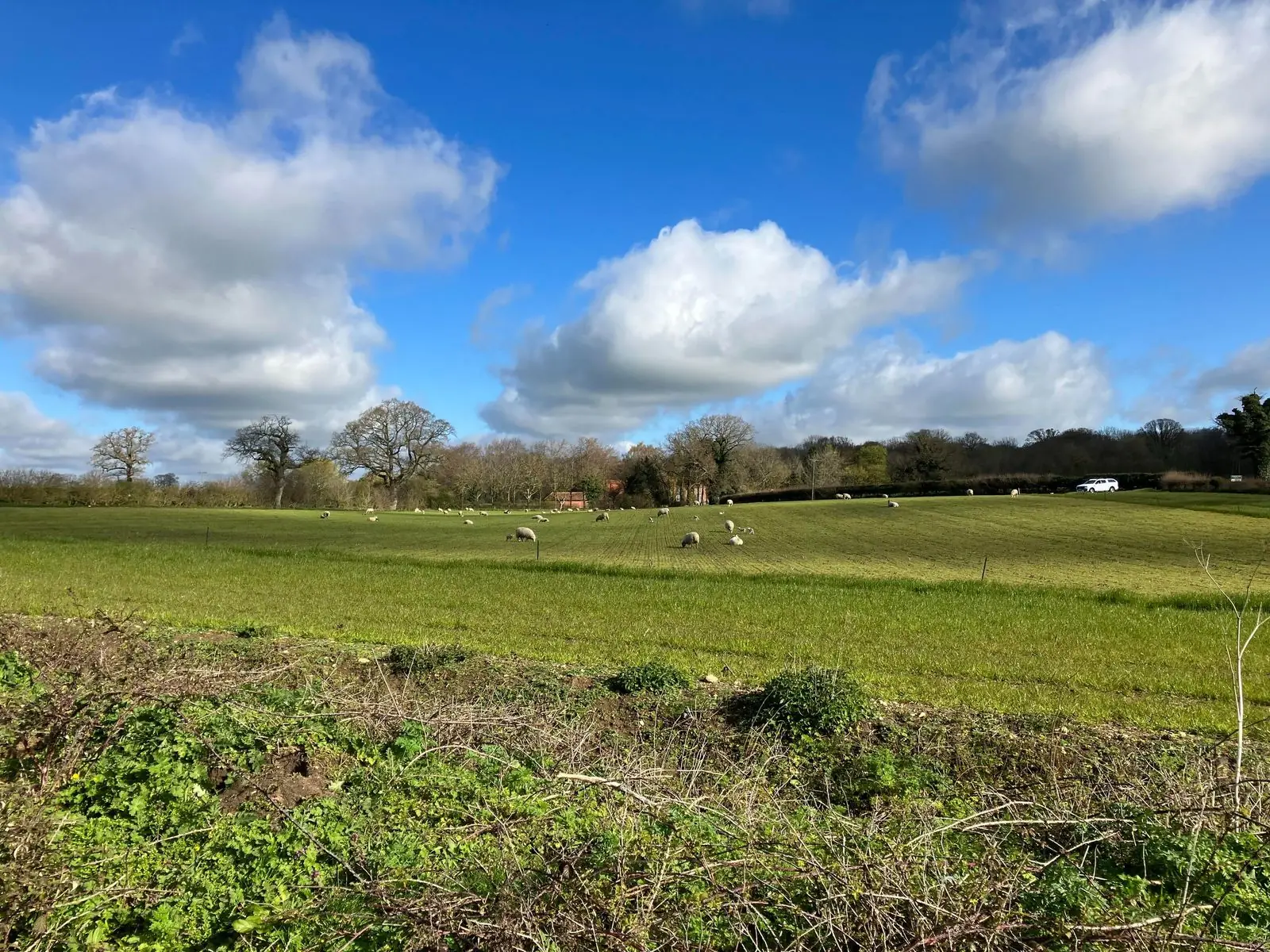
Planning Across West Suffolk Is More Varied Than It First Appears
West Suffolk combines major growth locations such as Bury St Edmunds and Haverhill with market towns, villages, military-influenced settlements, historic centres, agricultural land and extensive countryside. Planning strategy therefore needs to respond to the particular role of the settlement and the constraints affecting the site.
Cedar Planning reviews the planning history, adopted Local Plan, settlement hierarchy, site allocations, countryside policies and relevant technical constraints before recommending a route forward. Depending on the project, that may involve a conventional planning application, feasibility assessment, Class Q or another permitted development route, a heritage-led strategy, strategic land promotion or — after refusal — an appeal.
The district also includes areas affected by nationally and internationally important habitats, particularly around Brandon, Lakenheath and the Brecks, where ecological constraints can materially affect development options.
Planning Consultancy Across West Suffolk
We advise across the whole district, from the five principal towns identified in the Local Plan to key service centres, villages and countryside locations.
Bury St Edmunds
Residential growth, strategic sites, heritage, commercial development, infill and development around the town's historic core.
Haverhill
Major housing growth, employment development, urban extensions, local infrastructure and residential proposals.
Newmarket
Planning in a distinctive town where heritage, the horseracing industry, employment land and residential growth can intersect.
Mildenhall
Residential and commercial growth alongside highways, military, heritage and wider infrastructure considerations.
Brandon
Residential, commercial and brownfield development in a town strongly influenced by the environmental sensitivity of the Brecks.
Clare
Development in a highly attractive historic market town where heritage, landscape and local character are often central issues.
Lakenheath, Red Lodge & Beck Row
Residential growth, infill, rural-edge development and projects affected by ecology, infrastructure and settlement policy.
Villages & Countryside
Infill, replacement dwellings, rural housing, barn conversions, agricultural uses, equestrian development and diversification.
West Suffolk Local Plan 2024–2041
West Suffolk Council adopted the West Suffolk Local Plan 2024–2041 on 15 July 2025. The plan now provides the principal district-wide planning framework and supersedes the former Forest Heath and St Edmundsbury Local Plan documents.
The spatial strategy directs the largest share of planned growth toward Brandon, Bury St Edmunds, Haverhill, Mildenhall and Newmarket. During examination, the Inspectors recorded that allocations in the five towns were expected to accommodate more than 10,000 homes — around 70% of the district's total housing supply.
Outside defined settlement boundaries the policy position is generally more restrictive, but that does not mean development is impossible. The correct route may depend on the nature of the site, existing buildings, previously developed land, permitted development rights, rural business needs or other material considerations.
Importantly, West Suffolk has already started preparing a new Local Plan to 2045. The 2026 Call for Sites and initial scoping consultation have closed, but future stages will continue to create opportunities for landowners, developers and communities to engage with the emerging strategy.
For more detail on the process, what was submitted and what landowners should consider next, see our West Suffolk Call for Sites 2026 page.
West Suffolk Currently Reports a Six-Year Housing Land Supply
The Council's latest published assessment reports a deliverable housing land supply of 6.0 years. This is a significant change from the position before adoption of the new Local Plan and means residential proposals should not be approached on the assumption that the Council lacks a five-year supply.
Site-specific opportunities still exist, including through allocated sites, settlement-boundary development, previously developed land, rural exceptions, permitted development and other policy routes. The important question is which route is supported by the individual site's planning context.
There can also remain opportunities for development outside defined settlement boundaries where proposals are supported by relevant local and national planning policies and the site-specific planning balance.
Where the development potential is uncertain, a planning feasibility study can establish the risks before substantial design work or a land transaction is committed.
Planning Support From Early Feasibility to Appeal
We tailor the scope to the site and project rather than forcing every instruction into the same service. These are some of the areas we most commonly support across West Suffolk.
Planning Permission Secured for a Change of Use in Brandon
Cedar Planning secured planning permission for the change of use of a vacant industrial unit in Brandon to an aerial fitness studio.
The proposal required a clear response to the site's employment-land policy context, including the evidence on marketing, the benefits of bringing the vacant unit back into active use and the technical planning considerations affecting the scheme.
The case is a useful example of why commercial and change-of-use applications need to address the actual purpose of the policy rather than simply describing the proposed use.
Get a Clear View on Appeal Versus Resubmission
A refusal does not automatically mean that an appeal is the best next step. Some decisions raise a clear disagreement over policy, design judgement or the weight given to material considerations. Others may be better addressed through amendments or additional evidence.
Our Suffolk Planning Appeals service reviews the refusal notice, officer report, adopted West Suffolk Local Plan policies and the evidence already submitted before recommending the next step.

Meet the Planner Behind Cedar Planning
Cedar Planning is led by Dan Malloy MRTPI, a Chartered Town Planner with more than a decade of public and private-sector planning experience. Clients work directly with an experienced planner from initial review through to planning strategy and written work.
Dan has worked across more than 125 Local Planning Authority areas and advises on planning applications, appeals, site feasibility, planning policy, development strategy and enforcement. Cedar Planning's Norfolk–Suffolk border base also gives the practice a strong working focus across Suffolk and East Anglia.
Questions About Planning in West Suffolk
Which Local Plan applies in West Suffolk?
The West Suffolk Local Plan 2024–2041 was adopted on 15 July 2025 and now provides the principal district-wide planning framework. It superseded the former Forest Heath and St Edmundsbury Local Plan documents.
Does West Suffolk currently have a five-year housing land supply?
Yes. The Council's latest published assessment reports 6.0 years of deliverable housing land supply. Residential proposals therefore need to be considered against the adopted Local Plan and the specific planning merits of the site rather than assuming a district-wide five-year-supply shortfall.
Can development outside a West Suffolk settlement boundary still obtain permission?
Potentially, but it depends on the type of development and the site. Rural housing, replacement dwellings, agricultural and equestrian development, brownfield sites, Class Q and other permitted-development routes all involve different policy tests.
Can Cedar Planning help with a refused West Suffolk application?
Yes. Our Suffolk Planning Appeals service reviews the refusal and advises whether an appeal, revised application or another route appears most appropriate.
Can you help promote land through the next West Suffolk Local Plan?
Yes. The 2026 Call for Sites has closed, but preparation of the West Suffolk Local Plan 2045 is continuing. Future evidence, consultation and draft-plan stages can provide further opportunities to make representations and support the planning case for land.
Do you advise on Class Q and rural development in West Suffolk?
Yes. We can assess agricultural buildings, planning history, permitted-development requirements and alternative planning routes for rural sites across the district.
Have a Site, Application or Refusal You Need Advice On?
Send us the site address, planning reference or a short description of what you are trying to achieve. We can review the planning position and explain the most appropriate next step.
More Suffolk Planning Pages
Cedar Planning works across the whole county. Explore our wider Suffolk hub, neighbouring local pages and dedicated Suffolk appeals service.
Free Review for West Suffolk Sites
Send us your details and we will provide you with expert advice on your prospects.
Planning Refused in West Suffolk?
If West Suffolk Council has refused your application, our West Suffolk appeals page explains the policies usually cited and how an appeal is run.