Householder Appeals
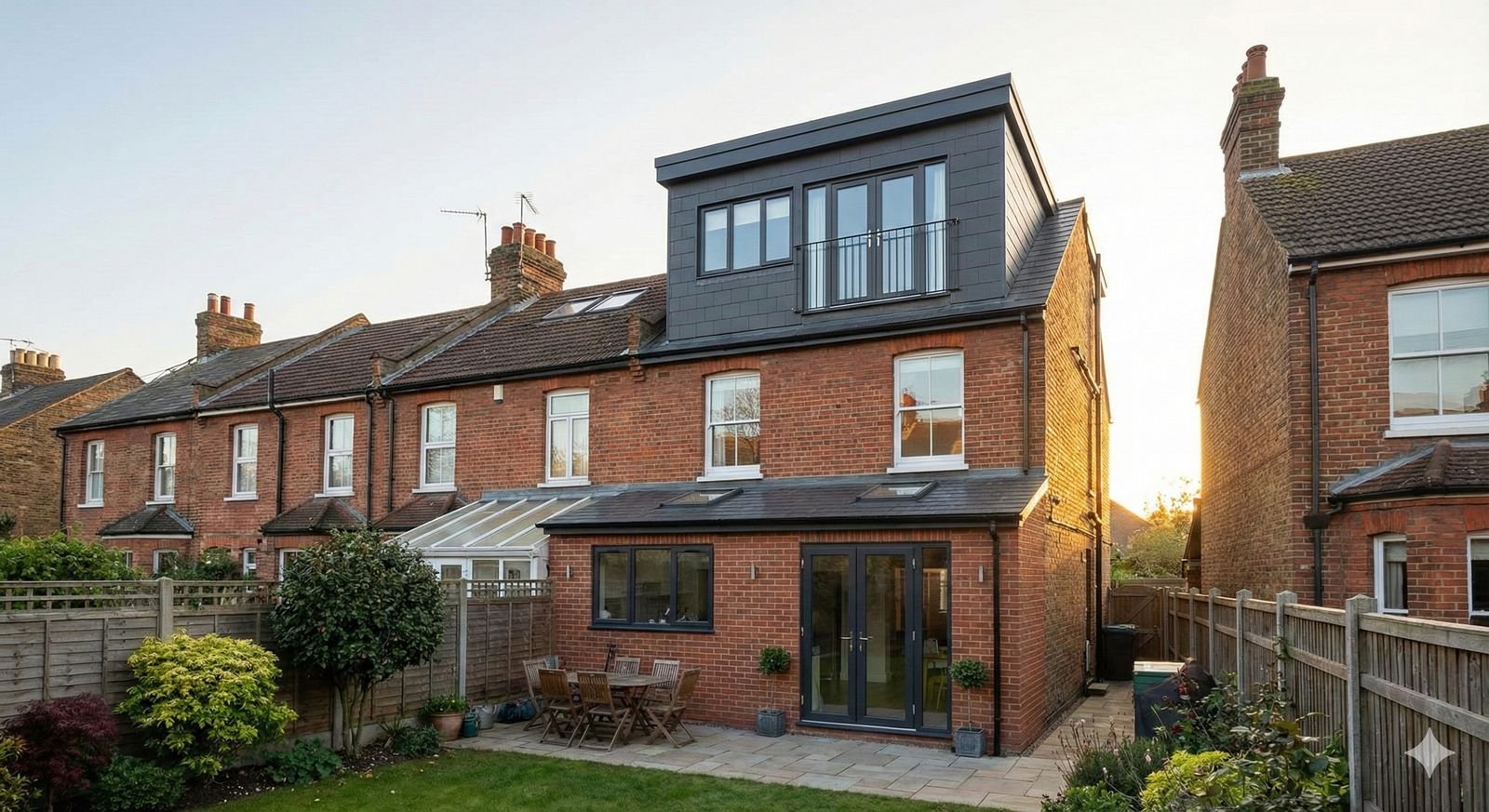
Appeals involving extensions, roof alterations, outbuildings, annexes and other residential proposals where design, neighbour impact, heritage or character are disputed.

Refused planning permission? Get a clear view on whether an appeal is the right next step.
Cedar Planning provides professional planning appeal advice across Suffolk for homeowners, landowners, architects, developers and businesses. We review the refusal, the Council's reasoning and the planning evidence before recommending the strongest route forward.
A strong planning appeal starts with an objective review of the refusal. Some decisions raise a clear disagreement about planning policy, design judgement or the weight given to material considerations. Others expose an evidence gap or design issue that may be better resolved through a revised application.
Cedar Planning reviews the refusal reasons, officer report, drawings, planning history and relevant policy before advising whether the case is suitable for appeal. That keeps the strategy focused on the actual planning issue rather than simply repeating the arguments made at application stage.
If you are looking for wider planning advice before a refusal has occurred, see our Planning Consultant Suffolk page.
We prepare appeal cases for a wide range of planning disputes, with the written case tailored to the refusal reasons, development plan and site-specific evidence.
Appeals involving extensions, roof alterations, outbuildings, annexes and other residential proposals where design, neighbour impact, heritage or character are disputed.
Appeals for self-build homes, infill plots, replacement dwellings, edge-of-settlement schemes and small residential developments.
Appeals involving countryside policy, agricultural buildings, rural diversification, landscape impact and local character.
Appeal cases where significance, setting, design, traditional materials or the effect on a conservation area are central issues.
Appeals where flood risk, drainage, highway visibility, access, parking or rural road conditions form part of the refusal.
Separate specialist support where an authority alleges an unauthorised use, operational development or another breach of planning control.
Appeals are strongest when the case is selective, evidence-led and focused on the Inspector's decision-making task.
Your case is prepared with a professional, policy-led planning approach by an MRTPI Chartered Town Planner.
We regularly advise across Suffolk and understand the different urban, rural, coastal and heritage contexts found across the county.
We do not treat every refusal as an appeal case. Where resubmission or another route appears more proportionate, we will say so.
A structured process keeps the appeal focused on the issues that matter and identifies evidence gaps before the case is submitted.
We review the refusal, officer report, plans, planning history and relevant policy context.
We identify the strongest appeal points, weaknesses and any additional evidence that may be needed.
We prepare a structured written case responding directly to the refusal reasons and the planning balance.
Where instructed, we submit the appeal and manage the planning side of the process through the Planning Inspectorate.
Suffolk contains very different planning environments. An appeal involving an urban site in Ipswich may turn on residential amenity, parking or townscape, while a rural appeal in Mid Suffolk or Babergh may focus on settlement boundaries, countryside character, accessibility or landscape impact.
East Suffolk can introduce additional heritage, coastal, flood-risk and landscape considerations, while West Suffolk includes both significant market towns and extensive rural areas.
The appeal case therefore needs to respond to the policies and evidence relevant to the particular authority and site, rather than relying on generic planning arguments.
Cedar Planning advises on planning appeals throughout Suffolk, including the principal local authority areas below.

Cedar Planning is led by Dan Malloy MRTPI, a Chartered Town Planner with more than a decade of public and private-sector planning experience. Clients deal directly with an experienced planner throughout the appeal review and written case.
Dan has worked across more than 125 Local Planning Authority areas, bringing wider appeal and planning experience to Cedar Planning's local work across Suffolk and East Anglia.
In many cases, yes. Appeal rights and deadlines depend on the application and decision type, so the refusal notice should be checked carefully before deciding the next step.
No. Some refusals are suitable for appeal, while others may be resolved more effectively through amendments or additional evidence. We review both routes before recommending a strategy.
The planning reference is a useful starting point. The refusal notice, officer report, plans and any technical evidence submitted with the application will help us understand the case.
Yes. We advise on appeals involving new dwellings, self-build homes, replacement dwellings, infill development, countryside locations and settlement-boundary issues.
We work across West Suffolk, Mid Suffolk, Babergh, Ipswich and East Suffolk, including both urban and rural sites.
Send us the planning reference or refusal details and we can review the case before you commit to a full appeal. Where an appeal is not the strongest route, we will explain the alternative.
We handle appeals against every council in Suffolk. Choose your council for local refusal themes, the policies usually cited and how we approach the appeal.