Review
Send the site address, proposal, drawings and any planning history or previous decision notices you already hold.

Clear planning strategy. Strong supporting documents. A better-prepared application.
Cedar Planning prepares and manages planning applications for homeowners across England. We focus on the planning issues that matter before submission — helping reduce avoidable delay, strengthen the written case and give the proposal the clearest possible route through the planning system.
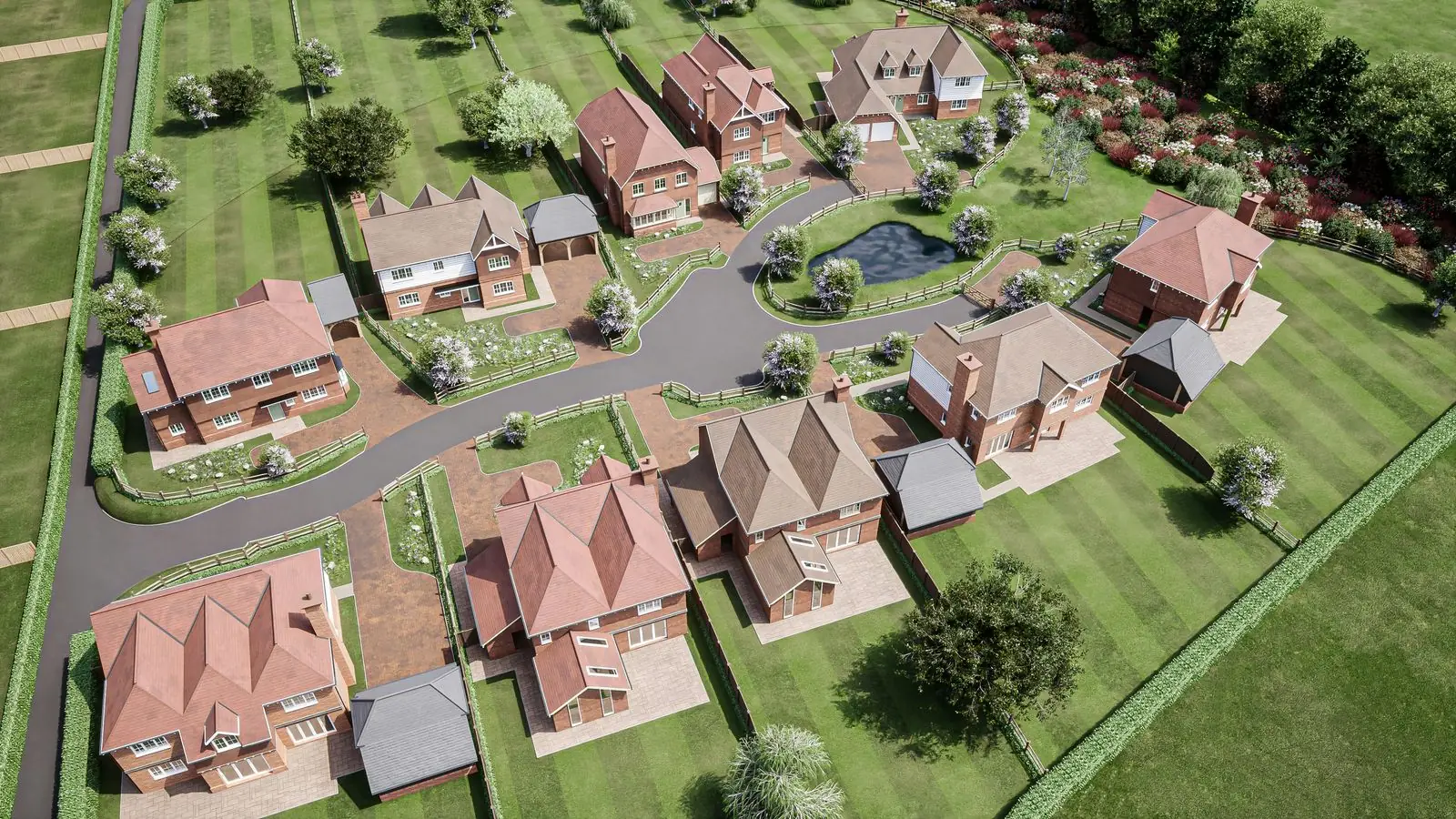
The strongest applications make it easy for the decision-maker to understand what is proposed, why the development is acceptable and how the relevant planning issues have been addressed.
We start by looking at the planning history, development plan, site constraints, neighbouring context and likely officer concerns. That informs the application route, supporting documents and the points that need to be explained in the planning case.
For some projects, the key task is simply making sure the application is complete and well presented. For others, the strategy may involve a fallback position, heritage justification, permitted development rights, a detailed Planning Statement or coordination with technical consultants.
Part of good planning advice is identifying whether a different route could be quicker, lower-risk or more useful before you submit.
Useful before land purchase, design work or significant consultant expenditure.
The conventional route where planning permission is required and the proposal needs to be assessed on its merits.
Useful where the key question is whether existing or proposed development is lawful rather than whether permission should be granted.
Where permission has been refused, we review the reasons before advising whether to appeal, amend or resubmit.
The exact scope depends on the project, but a planning application instruction can include the following work where it is relevant.
We keep the process straightforward and proportionate to the project.
Send the site address, proposal, drawings and any planning history or previous decision notices you already hold.
We review the planning position and identify the route, supporting information and key planning issues.
We prepare the agreed planning documents and coordinate the application submission.
Where instructed, we respond to officer queries and advise on amendments or next steps through to decision.
A refusal does not automatically mean the proposal is unacceptable. We can review the decision notice, officer report, planning history and submitted drawings before advising whether a householder appeal, revised application or design change is the stronger next step.
Our dedicated Householder Planning Appeals page explains the appeal route for refused extensions, loft conversions, roof alterations, outbuildings and other residential proposals.
If you are still deciding how to extend or alter your home, these Cedar Planning guides explain some of the main planning routes before you commit to drawings or an application.
They cover full planning permission, permitted development, prior approval and common residential projects.
Explore the Cedar Planning blogCedar Planning assisted homeowners after refusal of a loft conversion involving a hip-to-gable roof enlargement and rear dormer. We reviewed the Council's concerns, planning history and local design context before preparing a focused appeal case.
The appeal was allowed, securing planning permission for the loft proposal and demonstrating why an initial refusal does not always represent the final planning position.
Read the full appeal case studyWe focus on giving you a proportionate planning strategy and a clear written case, rather than adding reports or complexity that the project does not need.
We explain planning risks early, including where a different route or design change may be more sensible.
Clear fixed-fee scopes wherever the work can be defined in advance.
Professional planning input with more than a decade of public and private-sector experience.
Experience across more than 125 Local Planning Authority areas, applied to the individual site and policy context.
We can remain involved after submission to address planning queries and advise on proportionate amendments.
Every application is different, but these are some of the questions we are regularly asked at the start of a project.
It depends on the property, existing lawful use, proposed works, planning history and whether permitted development rights apply. We can review the route before you commit to a full application.
The required documents depend on the proposal and the Local Planning Authority's validation requirements. They can include application forms, drawings, Planning Statements, heritage information, Design & Access Statements and technical reports.
Statutory determination periods provide a starting point, but validation, consultation, officer workload, amendments and technical issues can affect the real timescale. Our planning-timescales guide explains the process in more detail.
Yes. Depending on the agreed scope, Cedar Planning can prepare planning documents, coordinate the submission and act as planning agent during determination.
We can review the refusal and advise whether a householder appeal, revised application or design change appears to be the stronger route. Our dedicated Householder Planning Appeals page explains the appeal service in more detail.
In some cases, yes. Permitted development rights can provide an alternative route for certain home extensions, loft conversions, outbuildings and other works, but the detailed limitations and any restrictions affecting the property need to be checked carefully.
Send us the site address, a short description of the proposal and any drawings or planning history you already have. We can review the position and provide a clear fixed-fee scope for the next stage.
Tell us about your project and we'll come back to you within 1 working day with honest, practical advice.