Do you need planning permission for a garden room?
One of the most common questions homeowners ask is: "Do I need planning permission for a garden room?"
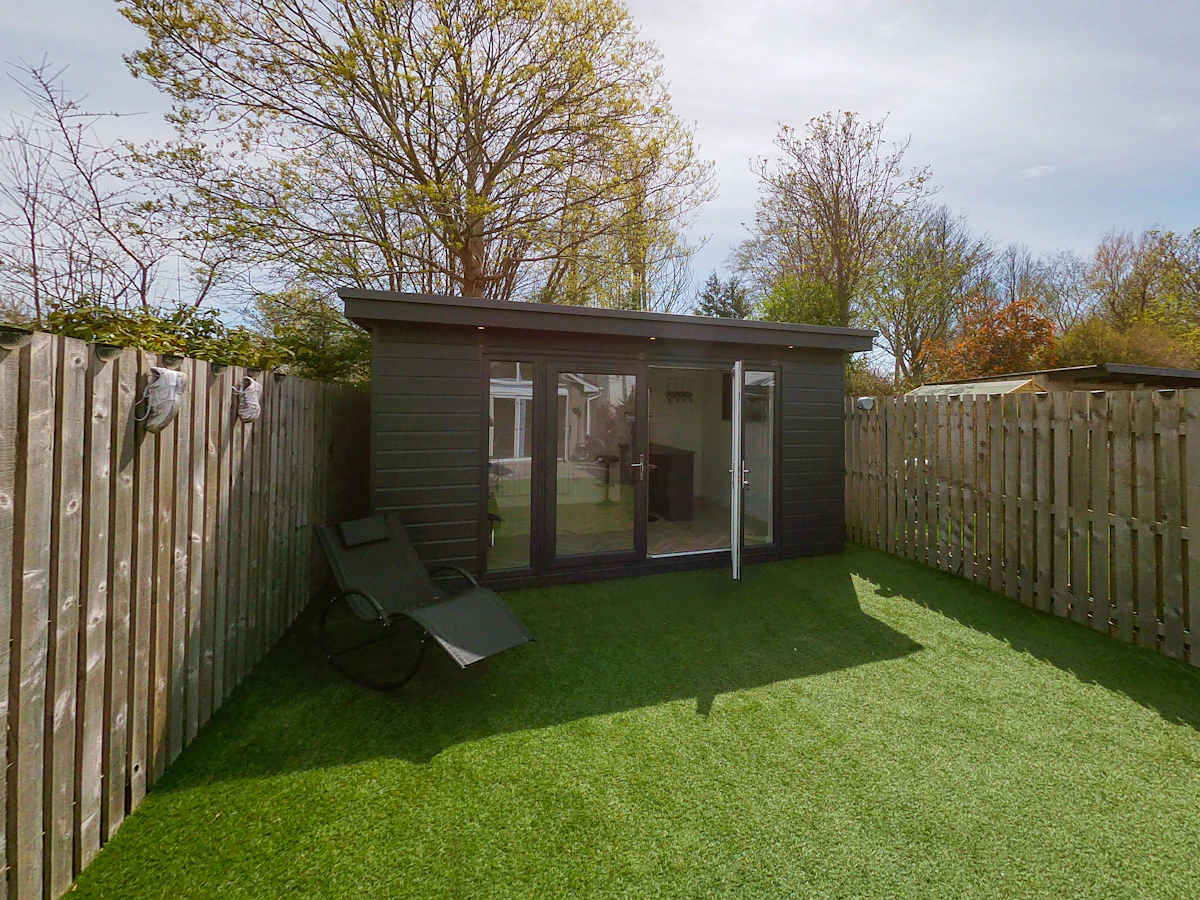
In many cases, the answer is no. Most garden rooms, garden offices and outbuildings can be constructed under Permitted Development Rights without needing a full planning application. However, there are strict rules relating to size, height, location and use.
Getting these details wrong can result in stressful planning enforcement issues, neighbour disputes and expensive alterations after construction.
Important:
Even where planning permission is not required, we strongly recommend obtaining a Lawful Development Certificate (LDC) from the Council. This provides formal written confirmation that the garden room is lawful and can be extremely valuable when selling or refinancing your property.
What is the maximum size of a garden room without planning permission?
There is no single maximum floor area for a garden room under Permitted Development Rights. Instead, the rules are based on a combination of height, positioning, overall site coverage and a need to be reasonably required for the host dwelling.
Maximum Height Near Boundaries
If the garden room is within 2 metres of a boundary, the maximum overall height is normally 2.5 metres.
Maximum Height Away From Boundaries
If positioned more than 2 metres from boundaries, you may be able to build up to 4 metres with a dual-pitched roof or 3 metres with other roof types.
50% Garden Coverage Rule
Outbuildings and extensions combined must not cover more than 50% of the original garden area.
Single Storey Requirement
Garden rooms under Permitted Development must be single storey with no balconies or raised platforms.
The 2.5 metre height rule close to boundaries is one of the most common issues that catches homeowners out.
Can you sleep in a garden room?
This is where planning issues become significantly more complicated.
A garden room used as incidental accommodation — such as a home office, gym, studio or hobby room — is usually treated differently to a self-contained living space.
Once a structure starts functioning as a separate unit of accommodation with sleeping facilities, bathrooms or kitchens, planning permission is far more likely to be required. The exception to this rule is where mobile homes, or other structures under the Caravan Act are placed within the residential curtilage of a property.
- Garden offices are commonly an accepted use under Permitted Development.
- Garden gyms and hobby rooms are often acceptable.
- Annexes and independent accommodation require more careful assessment.
- Self-contained dwellings normally require full planning permission.
The intended use of the building is often just as important as its size.
Do garden rooms need building regulations approval?
Planning permission and Building Regulations are separate legal regimes.
Even if your garden room does not require planning permission, Building Regulations approval may still apply depending on:
- overall size
- electrical installations
- sleeping accommodation
- distance from boundaries
- heating systems
- insulation and structural design
Many homeowners incorrectly assume that if a garden room falls within Permitted Development Rights then no further approvals are required.
When is planning permission normally required for a garden room?
Planning permission is more likely to be required in the following situations:
- the structure exceeds permitted development size or height limits
- the property is listed
- the property is within a Conservation Area, AONB, National Park or the Broads
- Permitted Development Rights have been removed by condition or Article 4 Direction
- the garden room is intended to function as independent living accommodation
- the structure is positioned forward of the principal elevation
Designated land and listed buildings are particularly important. Many properties have planning restrictions homeowners are unaware of until enforcement issues arise later.
Garden office planning permission
Searches for "garden office planning permission" have increased significantly in recent years due to remote and hybrid working.
Most garden offices can be built under Permitted Development Rights provided they remain ancillary to the enjoyment of the main dwellinghouse and comply with the standard outbuilding restrictions.
However, issues can arise where:
- clients regularly visit the site
- commercial deliveries increase significantly
- noise impacts neighbours
- the building effectively becomes a separate business premises
What about garden rooms in Conservation Areas?
Conservation Areas and listed buildings require far more careful assessment.
Restrictions often apply to outbuildings, particularly where visibility, heritage impact or curtilage issues arise. In some cases, planning permission may be required even where a similar structure elsewhere could be built under Permitted Development Rights.
If your property is within a designated area, we strongly recommend obtaining professional advice before construction begins.
Why obtain a Lawful Development Certificate (LDC)?
Although an LDC is not legally mandatory, it is often one of the most sensible steps a homeowner can take.
An LDC provides formal confirmation from the Council that your proposed garden room is lawful under Permitted Development Rights.
An LDC can:
- protect against stressful enforcement disputes
- assist during property sales
- provide certainty before construction
- reduce neighbour disputes
- confirm that Permitted Development Rights exist
At Cedar Planning, we regularly prepare and submit Lawful Development Certificate applications for garden rooms, outbuildings and annexes across England.
Garden Office and Garden Room Planning Consultancy
Did you know that Cedar Planning provide a specialist planning consultancy service for annexe and garden room suppliers? To find out more view our dedicated page outlining these services and how we can provide your business with reliable and fast planning support. Planning Consultancy for Garden Rooms and Annexes across England.
Related planning services
Cedar Planning provides specialist planning consultancy services for homeowners, developers and landowners across England.
- Planning Applications
- Certificate of Lawfulness Applications
- Planning Appeals
- Planning Objections
- Planning Feasibility Studies
Frequently Asked Questions
Do I need planning permission for a garden room?
In many cases no, provided the structure complies with Permitted Development Rights relating to height, location, size and use.
What is the maximum size of a garden room?
There is no fixed maximum floor area. Instead, restrictions relate to height, boundary positioning, use and overall garden coverage. Permitted Development Rights also require that a garden room is reasonably required and incidental to the main house. At Cedar Planning we have experience in achieving approvals for large garden rooms under Permitted Development Rights through supporting evidence and correct planning drawings.
Can I build a garden room next to my boundary?
Yes, but if within 2 metres of the boundary the maximum overall height is normally restricted to 2.5 metres.
Can a garden room include a toilet or shower?
Yes, a garden room can include a toilet or a shower. However, if the toilet or shower is used to create a new home you will need planning permission. If you intend on including these elements we would highly recommend securing a Certificate of Lawfulness prior to commencing works.
Should I obtain an LDC for my garden room?
Yes. We strongly recommend obtaining a Lawful Development Certificate for certainty and future protection.
Disclaimer:
This article provides general planning guidance only and should not be relied upon as site-specific planning advice. Planning constraints, Article 4 Directions, listed building controls, restrictive planning conditions and local circumstances can significantly alter the planning position. Professional advice should always be sought before commencing development. We strongly recommend obtaining a Lawful Development Certificate (LDC) where relying on Permitted Development Rights.
Need advice on garden room planning permission?
Cedar Planning provides professional planning advice, Lawful Development Certificates, planning applications and appeals for garden rooms, annexes and outbuildings across England.

Dan Malloy MRTPIDirector and Chartered Town Planner at Cedar Planning, with more than ten years of public and private-sector planning experience. About Cedar Planning