The challenge
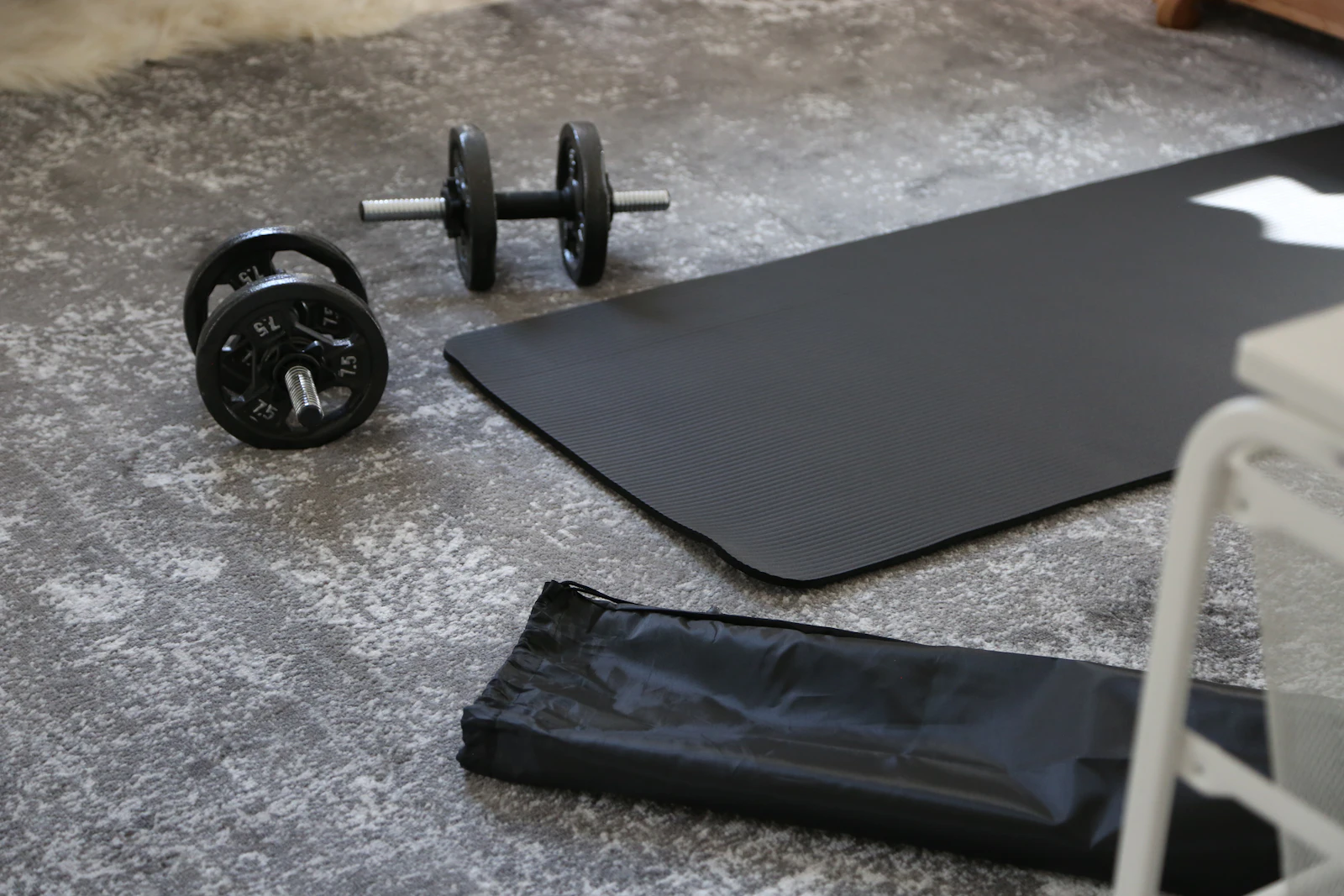
Our client runs a popular health and fitness business and had outgrown its existing space on the same estate. The larger unit next door was the natural next step, but it carried a planning catch.
The unit had sat empty for some time within an established, but varied, employment area. West Suffolk's recently adopted Local Plan safeguards employment land. Where a proposal would move a unit away from traditional industrial, storage or distribution use, the policy sets a deliberately high bar, typically requiring evidence that the premises have been genuinely marketed and that the loss of employment use is justified.
The question was never whether the business was good for Brandon. It was whether the planning case could clear the employment-land test.
Our approach
Rather than treat the employment-land policy as an obstacle to argue around, we built a positive, evidence-led case that the proposal supported the vitality of the estate. Our Planning Statement set out a clear and proportionate argument across every material consideration:
- Framed the use in context. Demonstrated that leisure and service uses already sit comfortably alongside industry on the estate (a gym, dance school, dog daycare and more), so the proposal was entirely in keeping with its surroundings.
- Evidenced the marketing history. Showed the unit had been vacant and actively marketed by two commercial agents, with no viable industrial occupier coming forward.
- Built the economic case. Aligned the proposal with national policy support for helping existing businesses invest, expand and adapt, keeping local jobs and growth in West Suffolk.
- Built the health and wellbeing case. Set out the social value of the facility, including inclusive provision for neurodiverse children and the absence of any comparable studio for many miles.
- Closed off the technical risks. Addressed amenity, highways, parking, flood risk, ecology and biodiversity net gain proportionately, citing comparable approvals already granted on the same estate.
The result
Planning permission was granted, allowing our client to bring a long-vacant building back into productive use and grow their business. The win delivers benefits on every front the planning system cares about:
Social
An inclusive, community-focused facility, with no comparable studio nearby.
Economic
Room for a local business to expand, supporting jobs and linked trips on the estate.
Environmental
An efficient reuse of an existing building, with no extensions or new build.
For us, this is the heart of good planning consultancy: understanding what the policy is really protecting, then building the evidence to show your proposal works with it rather than against it.
What this means for your project
If you have your eye on a commercial unit for a use that doesn't obviously match its planning class (a studio in a warehouse, a clinic in a shop, a workshop in an office), don't assume the answer is no. The right strategy, backed by the right evidence, can unlock sites that look closed on first reading.
A feasibility appraisal is usually the smartest first move. It tells you, before you commit time or money, whether a scheme is likely to succeed and what it will take to get there. See also our planning application services.

Dan Malloy MRTPIDirector and Chartered Town Planner at Cedar Planning, with more than ten years of public and private-sector planning experience. About Cedar Planning