
The challenge
A significant residential development on Green Belt land at Heath House Lane, Codsall was proposed, involving significant scrutiny of Green Belt, infrastructure, highways, heritage, landscape and arboricultural matters.
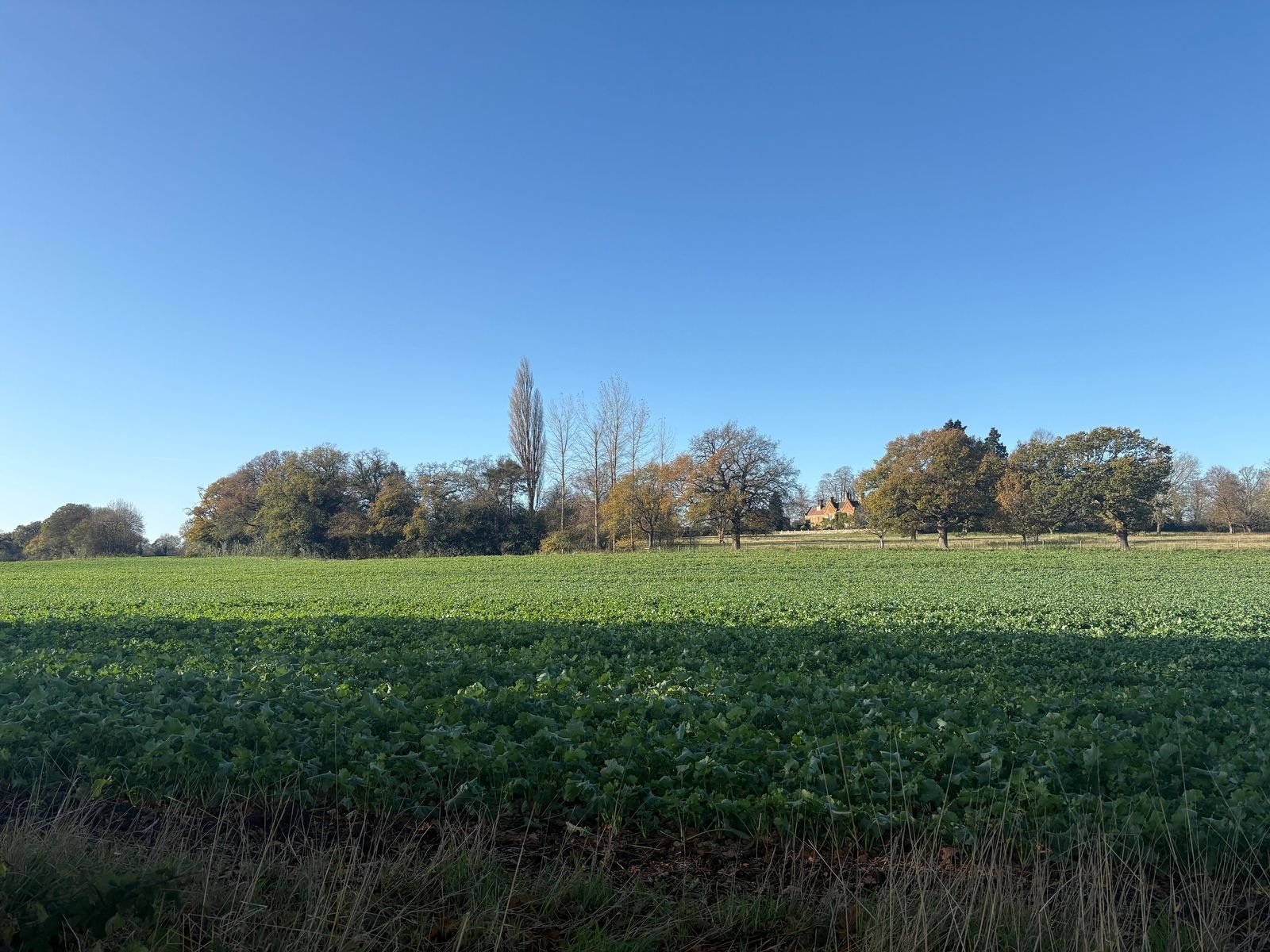
The site consists predominantly of open agricultural land on the rural edge of Codsall. Importantly, the land also surrounds a Grade II listed building and its associated grounds on three sides, and contains mature landscape features and protected trees.
Cedar Planning was instructed by local residents directly affected by the development to provide professional planning advice and prepare detailed representations opposing the scheme. Major planning applications are often accompanied by hundreds, and sometimes thousands, of pages of supporting information. Simply stating that a development is too large, will create traffic or is unpopular locally is unlikely, on its own, to provide the strongest possible planning case.
Our approach
Our role went beyond submitting a standard neighbour objection. We prepared a comprehensive planning case, continued to respond as the application evolved, and coordinated independent specialist heritage and transport evidence where technical expertise was required.
Cedar Planning prepared a detailed 35-page Planning Objection Statement on behalf of our clients. The assessment considered:
- the principle of development;
- Green Belt policy and the emerging Grey Belt policy position;
- heritage impacts and landscape character;
- infrastructure capacity, highways and accessibility;
- flood risk, ecology and biodiversity;
- trees and arboricultural impacts; and
- the overall planning balance.
Crucially, our involvement did not finish once the initial objection had been submitted. Further information was submitted by the applicant during the determination process and the national and local planning policy position continued to evolve. Cedar Planning monitored those changes and made further supplementary representations on behalf of our clients, and coordinated independent heritage and transport consultants to review the applicant's evidence where the issues required specialist input.
Green Belt and Grey Belt
Changes to national planning policy have increased the focus on whether some Green Belt land can be categorised as Grey Belt. However, Grey Belt should not be confused with an automatic permission to develop. Our representations examined the contribution made by the land to Green Belt purposes, its open and undeveloped character, its relationship with the edge of Codsall and with nearby designated heritage assets, whether the land properly met the definition of Grey Belt, the effect upon Green Belt openness, and whether the relevant national policy tests could be satisfied.
During the determination of the application the definition of Grey Belt changed. However, this did not change the acceptability of the scheme. The Council concluded that the development failed to satisfy the infrastructure requirements of the national Golden Rules because of unresolved education capacity issues, and that it remained inappropriate development in the Green Belt. It also identified significant harm to openness from introducing a substantial urban extension and associated infrastructure into open countryside.
Key planning point
Grey Belt status does not mean planning permission automatically follows. A proposal must still satisfy the other relevant policy tests, including the Golden Rules where applicable, and its wider planning impacts must still be assessed.
Heritage and the setting of Grade II listed buildings
The application site surrounds a Grade II listed property and associated historic buildings on three sides, so the existing agricultural landscape forms an important part of the context in which these heritage assets are experienced. Our original objection argued that introducing a substantial urban extension into this open setting would create an urbanising effect and cause harm to their significance and historic setting.
Given the importance and technical nature of this issue, our clients commissioned specialist heritage advice from Asset Heritage Consulting. Cedar Planning coordinated this work and incorporated the resulting Heritage Impact Assessment into the wider planning case. It identified the potential for a moderate-to-high degree of less than substantial harm. The Council's own Conservation Officer also raised concerns, and the decision ultimately identified less than substantial harm to the setting of designated heritage assets as one of the harms weighing against the development.
Effective heritage objections require more than identifying a nearby listed building. The key question is often how the surrounding land contributes to the significance of the asset, how that setting would change, and what weight the resulting harm should carry in the planning balance.
Landscape and protected trees
Our objection identified the land as an important part of the rural approach to Codsall, Bilbrook and Oaken, characterised by agricultural fields, mature trees, hedgerows and dispersed rural development. We argued that a development of this scale, particularly when combined with a substantial new spine road and associated highway infrastructure, would fundamentally alter the character of the site. The Council subsequently identified moderate to significant adverse effects upon the local landscape.
The new southern access arrangement also raised concerns over the loss of, and potential damage to, mature trees, including trees protected by Tree Preservation Orders. The Council's Arboricultural Officer maintained significant concerns, and our supplementary representations highlighted that the prominent mature trees along this part of the A41 contribute to the rural backdrop and approach towards Codsall and Bilbrook.
Infrastructure capacity
Major housing developments must show that the infrastructure necessary to support new homes can realistically and deliverably be provided. Our representations raised concerns regarding the ability of local infrastructure to accommodate a further 550 dwellings, and the relationship between the speculative development and the coordinated infrastructure strategy in South Staffordshire's emerging Local Plan.
Education capacity became particularly important. Staffordshire County Council's School Organisation Team identified insufficient capacity for additional First School places and concluded that no viable or practicable solution had been demonstrated. This issue ultimately became central to the Council's decision.
Infrastructure objections are strongest when evidence identifies an actual capacity problem and explains why that problem cannot simply be resolved through a financial contribution or planning condition.
Independent transport evidence
The development proposed major changes to the surrounding road network, including a new spine road connecting the A41 with the northern part of the site and alterations to surrounding junctions. Our clients commissioned an independent review, which Cedar Planning coordinated and submitted alongside further representations. It identified concerns including transport sustainability, community severance, highway safety and potential cumulative effects on the road network.
The result
The Council recognised that the proposal would deliver significant benefits, and as it could not demonstrate a five-year housing land supply, housing delivery carried substantial weight in favour of the development. Nevertheless, the benefits were not enough to overcome the combined harms. The Council identified:
- inappropriate development in the Green Belt and significant harm to Green Belt openness;
- insufficient education infrastructure, with no satisfactory, viable or deliverable mitigation strategy secured;
- conflict with the emerging plan-led strategy for Codsall and Bilbrook;
- moderate to significant landscape harm;
- harm to designated heritage assets;
- impacts on arboricultural resources;
- loss of best and most versatile agricultural land;
- unresolved highway impacts, which formed a separate reason for refusal; and
- the absence of a completed mechanism to secure necessary infrastructure and mitigation.
On highways, the Council concluded that the applicant had failed to demonstrate, through a robust and agreed assessment of trip assignment and junction capacity, the likely impact on the operation and safety of the surrounding network. Overall, the benefits did not clearly outweigh the Green Belt harm and the other adverse impacts, so Very Special Circumstances had not been demonstrated. Planning permission was refused on 28 August 2026.
What residents can learn from the Codsall decision
There is an important distinction between opposing development and making an effective planning objection. Local knowledge can be extremely valuable, but planning applications must ultimately be determined against the Development Plan, national planning policy and other material planning considerations. For major applications, an effective objection strategy will often involve:
- carefully reviewing the application and supporting documents;
- identifying the planning issues capable of carrying significant weight;
- testing the evidence presented by the developer and obtaining specialist evidence where required;
- reviewing relevant national and local planning policy and any changes to it;
- responding to revised or additional information and monitoring consultee responses; and
- bringing the individual issues together within a coherent planning balance.
At Heath House Lane, Cedar Planning's involvement continued for several months as additional documents were submitted and the policy position evolved, so our clients' case could respond to further evidence as well as the original application.
Cedar Planning provides professional planning objection services across England for individual homeowners, groups of residents, landowners, community and residents' groups, Parish and Town Councils, and businesses. See also our Local Plan representations and strategic land services.
Frequently asked questions
Can a planning consultant object to a major development on behalf of residents?
Yes. A planning consultant can review the application and supporting documents, identify material planning considerations and prepare professional representations on behalf of an individual resident, group of neighbours or community organisation.
Does Grey Belt mean Green Belt development will automatically be approved?
No. Whether land meets the definition of Grey Belt is only part of the planning assessment. Other national policy requirements must still be satisfied and matters such as infrastructure, highways, heritage, landscape and environmental impacts remain relevant.
Can infrastructure capacity be a reason to refuse housing development?
Potentially. The planning authority must consider whether the infrastructure required to support a development can be adequately provided and mitigated. The specific circumstances and evidence will determine how much weight the issue carries.
Should residents appoint their own technical consultants?
Not every application requires specialist evidence. However, for major schemes involving complex issues such as transport, heritage, noise, drainage or landscape impacts, independent technical advice can sometimes significantly strengthen a planning case. Cedar Planning can advise when specialist input is proportionate and coordinate that work where required.
Can Cedar Planning help after an initial objection has already been submitted?
Yes. Major applications often change during the determination process. We can review the existing objection, assess amended plans and additional technical information and advise whether supplementary representations should be made.
Case study based on South Staffordshire Council planning application 25/00874/OUTM. Applicants may have rights of appeal against a refusal of planning permission. This article is provided for general information and does not constitute site-specific planning advice.
Useful links

Dan Malloy MRTPIDirector and Chartered Town Planner at Cedar Planning, with more than ten years of public and private-sector planning experience. About Cedar Planning