
Green Belt Planning Objections That Carry Real Planning Weight
Concerned about development in or near the Green Belt? Cedar Planning prepares professional, policy-led planning objections for residents, neighbours, parish councils and community groups — focused on the planning arguments that matter under the current National Planning Policy Framework.
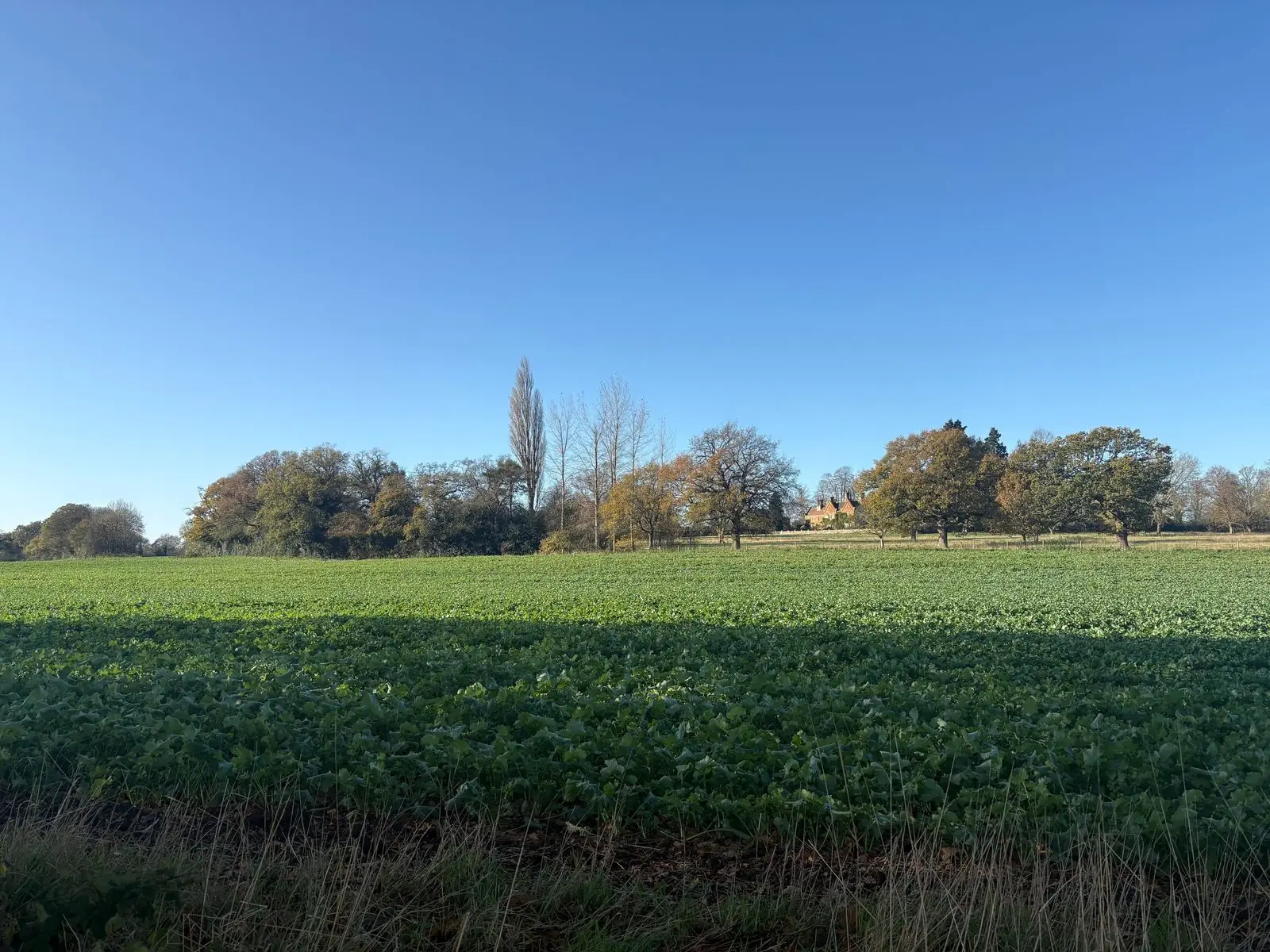
We assess inappropriate development, openness, Green Belt purposes, very special circumstances and grey belt arguments against the current policy framework.
Green Belt Objections Need More Than General Concern
Green Belt cases require a different approach from many ordinary planning objections. The key question is not simply whether a proposed development is unwanted, but whether it is acceptable against the development plan and the national Green Belt policies that apply to the proposal.
Under Policy GB6 of the current National Planning Policy Framework, development in the Green Belt is inappropriate unless it falls within one of the categories identified by Policy GB7. Inappropriate development is harmful by definition and should not be approved except in very special circumstances.
The most effective objections therefore focus on identifiable planning issues: the correct Green Belt policy route, harm to openness, conflict with Green Belt purposes, the strength of any claimed very special circumstances, grey belt status and the other planning impacts of the proposal.
Cedar Planning reviews the application as a whole and turns legitimate concerns into structured planning arguments supported by national policy, local planning policy, site context and relevant evidence.
Read our Green Belt and Grey Belt objection guideGreen Belt policy identifies five purposes. Their relevance will depend on the site and the planning issue being considered.
Check unrestricted sprawl of large built-up areas
Would development extend built form into land that performs an important role in checking urban sprawl?
Prevent neighbouring towns merging
Would development materially weaken the physical separation between neighbouring towns?
Safeguard the countryside from encroachment
Would the proposal introduce development into open countryside and increase urbanising effects?
Preserve the setting and special character of historic towns
Does the Green Belt land contribute to the setting, approach or character of a historic town?
Assist urban regeneration
Green Belt policy also seeks to encourage the recycling of derelict and other urban land.
The correct test depends on the type of development. Some proposals fall within the categories in GB7 and are therefore not inappropriate. Others remain inappropriate development and require very special circumstances under GB6.
What Can Be Challenged in a Green Belt Application?
There is no single standard Green Belt objection. The relevant arguments depend on the proposal, the site, the applicable Local Plan and the policy route relied on by the applicant. These are some of the issues we regularly assess.
Is the Proposal Inappropriate Development?
Policy GB6 establishes the starting point that development in the Green Belt is inappropriate unless it falls within the categories in GB7. We examine the applicant's claimed policy route carefully and assess whether the proposal genuinely satisfies the relevant criteria.
Harm to Green Belt Openness
Openness and permanence remain essential features of the Green Belt. Depending on the relevant policy test, we consider matters such as additional built form, footprint, height, spatial impact, visual effects and the wider urbanising effect of the proposal.
Very Special Circumstances
Where development is inappropriate, the applicant may seek to demonstrate very special circumstances. We scrutinise the benefits relied upon, the evidence behind them and whether those considerations genuinely and clearly outweigh the harm to the Green Belt and any other identified planning harm.
Impact on Green Belt Purposes
The role performed by the site can be important. We consider the relevant Green Belt purposes and whether development would contribute to sprawl, settlement coalescence, countryside encroachment or other identified Green Belt harm.
Grey Belt Current NPPF
The current NPPF defines grey belt as previously developed Green Belt land and/or other Green Belt land that does not strongly contribute to purposes (a), (b) or (d) of Policy GB2. We assess whether the site's claimed grey belt status is justified and whether the further requirements of the relevant development route are satisfied.
Grey Belt Development Tests & Golden Rules
Grey belt status does not automatically make development acceptable. Where the applicant relies on the GB7 grey belt route, other requirements can include the effect on the remaining Green Belt, evidenced development need and whether the location is sustainable. Relevant major housing proposals may also engage the Golden Rules in Policy GB8.
Landscape, Character & Countryside Impact
Green Belt designation is not itself a landscape designation, but proposals can still create unacceptable landscape, character or visual impacts. We consider these separately against the relevant national and local planning policies.
Highways, Heritage, Ecology & Residential Amenity
A Green Belt objection should not ignore other material considerations. Development may also raise legitimate concerns relating to highway safety, infrastructure, heritage assets, biodiversity, trees, flooding, overlooking, noise or the amenity of neighbouring properties.
Planning Objections
Professional planning objections for residents, businesses, neighbours, parish councils and community groups.
Loss of Light Planning Objections
Concerned about daylight, sunlight, overshadowing or the effect of a new development on your home?
London Planning Objections
Specialist planning objection support for development proposals across London's boroughs.
Wandsworth Planning Objections
Local policy-led support for objections to development within the London Borough of Wandsworth.
Planning Objection Examples
Understand the planning issues that can carry weight when commenting on a development proposal.
How to Object to a Planning Application
Our guide to planning objections, material planning considerations and presenting your concerns effectively.
Green Belt & Grey Belt Objection Guide
Read our dedicated guide to Green Belt and Grey Belt development and planning objections.
Local Plan Representations
Objecting to a proposed allocation or emerging planning policy rather than an individual planning application?
About Our Planning Consultancy
Learn more about Cedar Planning, our Chartered planning expertise and the clients we support.
Professional Planning Objections Built Around Your Case
RTPI Chartered
Professional planning advice from a Chartered Town Planner with experience across applications, appeals, objections and planning strategy.
Honest Advice
We tell you whether your concerns appear capable of carrying planning weight before encouraging you to spend money on a full objection.
Fixed Fees
A clear scope and fixed fee is agreed before work begins, so you know what the objection will cost.
Fast Turnaround
We understand consultation deadlines. Urgent objection instructions can often be accommodated subject to availability.
Nationwide Experience
Experience working across more than 100 Local Planning Authorities and a wide range of development types.
Policy-Led Arguments
Your concerns are translated into material planning considerations supported by policy, evidence and the circumstances of the particular site.
From First Concern to Formal Planning Objection
Send Us the Application
Send us the planning reference, application address or link together with a short explanation of your concerns.
Initial Review
We review the proposal and identify whether there appear to be realistic material planning grounds for objection.
Fixed-Fee Quote
If we can assist, we provide a clear fixed-fee quotation setting out the work we recommend.
Planning Research
We review the application documents, national policy, Local Plan policies, planning history and other relevant evidence.
Professional Objection Prepared
Your objection is structured around the strongest material planning issues and supported by relevant evidence.
Submission & Further Support
We can submit the objection and provide further advice if the scheme is amended or progresses to planning committee.
Planning Objection Support for Residents and Communities
Residents & Neighbours
Homeowners and nearby residents concerned about development affecting their property, surroundings or local area.
Parish & Town Councils
Professional policy support for councils responding to major, sensitive or controversial planning applications.
Residents' Groups
Coordinated planning strategy and professional representation for groups of residents affected by the same proposal.
Community & Countryside Groups
Support where proposals raise wider Green Belt, landscape, heritage, infrastructure or countryside concerns.
Contact us as early as possible during the consultation period. This allows more time to review the application documents, identify the strongest planning issues and obtain additional evidence where necessary.
Green Belt Planning Objection FAQs
What are valid grounds for objecting to Green Belt development?
What is grey belt?
Does grey belt mean planning permission must be granted?
What are very special circumstances?
Can residents object to a Green Belt planning application?
How quickly can Cedar Planning prepare an objection?
Concerned About a Green Belt Planning Application?
Send us the planning reference, application address or link. We will review the proposal and tell you whether there appear to be realistic planning grounds for objection. If we can help, we will provide a clear fixed-fee quote.
Free initial review • Fixed-fee quotations • Chartered planning advice
Expert Green Belt Objections To Give You A Voice In The Planning System
At Cedar Planning we provide expert planning objections to ensure that your voice is heard in the planning system. Fill out the form below and a planning consultant will review your case and provide you with a fixed-fee quote for our services.
Depending on the site or application, we may combine your objection with other relevant planning matters such as loss of light, and other relevant planning objections.
Expert Green Belt Objections To Give You A Voice In The Planning System
Depending on the site or application, we may combine your objection with other relevant planning matters such as loss of light, and other relevant planning objections.
At Cedar Planning we provide expert planning objections to ensure that your voice is heard in the planning system. Fill out the form below and a planning consultant will review your case and provide you with a fixed-fee quote for our services.