Rural Planning Consultants

Rural Planning Advice for Countryside Development

Clear, commercially focused planning strategy for countryside homes, Class Q conversions, agricultural development and rural sites.

Rural planning is rarely about a single policy or a quick yes/no answer. The strongest route often depends on the lawful use, planning history, settlement context, permitted development position and evidence available.

Cedar Planning helps landowners, homeowners, farmers, architects and developers identify the most credible route before significant time and money are committed.

MRTPI Chartered Town Planner Class Q & countryside development Fixed-fee quotations East Anglia base ยท Nationwide work
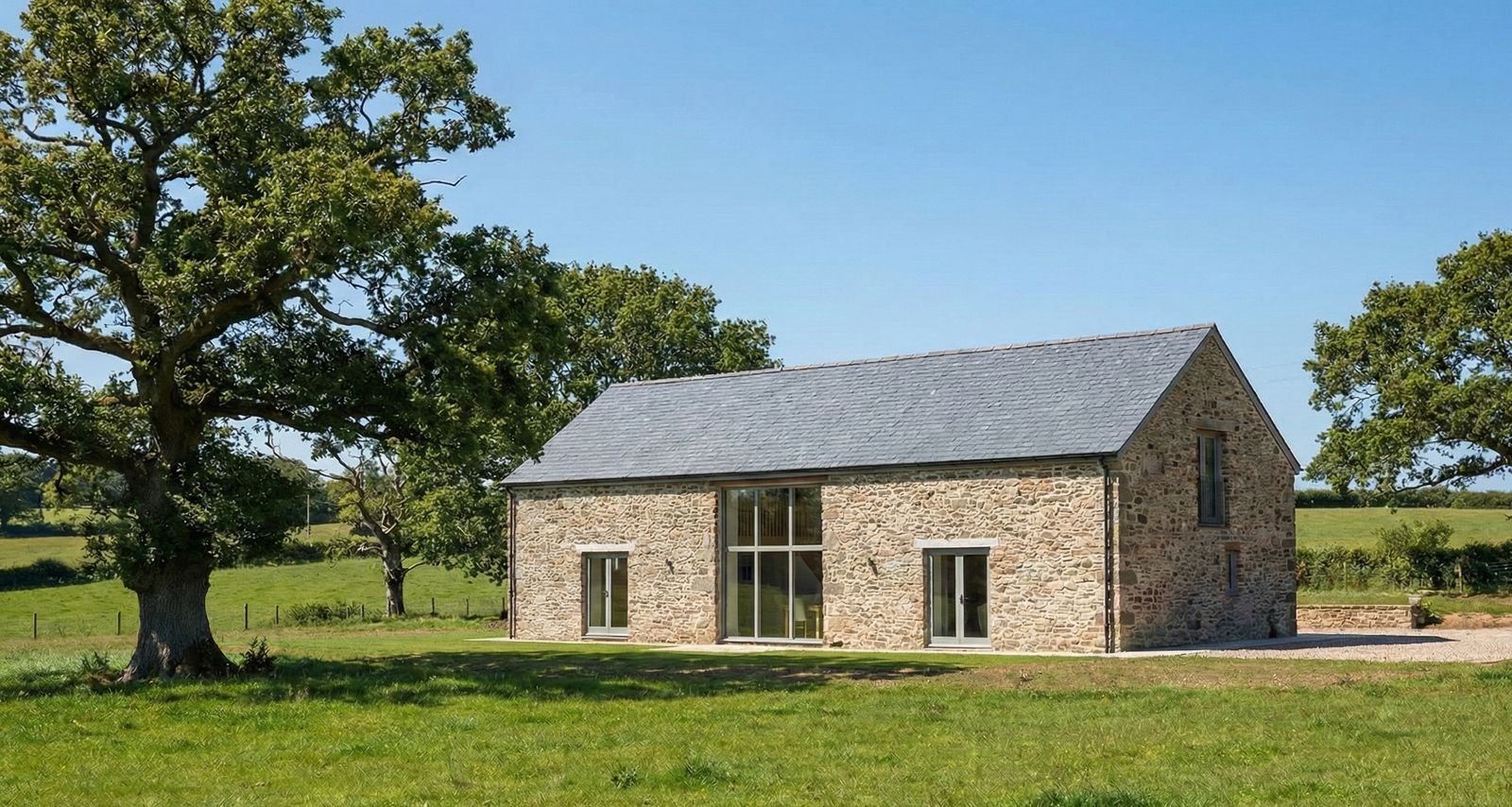
Rural barn conversion and countryside development
Countryside Planning Strategy

The First Question Is Not "Can I Build Here?"

It is usually: which planning route gives this site the strongest case? Rural sites can involve conventional planning policy, permitted development, prior approval, certificates of lawfulness, rural worker need, replacement buildings, reuse of existing structures or appeal strategy.

Current national planning policy continues to recognise specific routes for rural housing and isolated homes, while local plans can provide further opportunities for settlement-edge development, rural exception schemes, farm diversification and the reuse of land and buildings.

Cedar Planning starts by understanding the site before recommending the route. For uncertain sites, our planning feasibility studies provide an evidence-led starting point.

Rural Planning Route Finder

Which Route Might Apply to Your Site?

There is rarely one universal rural planning route. The project type, existing use and site context determine which options should be tested first.

Route 01

New Rural Home

The key issue is whether the proposal is genuinely isolated, how it relates to existing settlements and whether a local or national policy route supports residential development.

  • Essential rural worker dwelling
  • Rural exception or community-led housing
  • Exceptional design route
  • Replacement or subdivision
  • Reuse of an existing building
  • Non-isolated or settlement-edge development
Route 02

Barn or Farm Building

Existing agricultural buildings can create different planning opportunities from vacant land, but the lawful history and scale of proposed works matter.

  • Class Q prior approval
  • Part 6 agricultural development
  • Full planning application
  • Farm diversification
  • Fallback position
  • Appeal following refusal
Route 03

Existing Rural Property

Extensions and outbuildings can be affected by planning conditions, designated areas, heritage constraints and the planning history of the original dwelling.

  • Permitted development assessment
  • Householder planning application
  • Planning condition review
  • Agricultural occupancy condition
  • Listed building / conservation issues
  • Appeal following refusal
National & Local Planning Policy

"Countryside" Does Not Automatically Mean "No Development"

Planning policy is generally more restrictive in the countryside than within established settlements, but rural policy contains a number of recognised development routes. Current national policy supports rural housing that reflects local needs and continues to identify specific circumstances in which isolated countryside homes may be acceptable.

Local plans can also support development outside settlement boundaries in particular circumstances. Depending on the authority and proposal, this may include rural worker dwellings, replacement homes, exception housing, conversion and reuse, rural businesses, agricultural development and other forms of development requiring a countryside location.

The planning task is therefore to identify whether the proposal fits a recognised route and then provide the evidence needed to satisfy the relevant tests. A good rural planning strategy should not rely on generic arguments about housing need or the desirability of the project alone.

Evidence First

The Strongest Rural Applications Are Built Before They Are Submitted

Rural planning decisions often turn on facts that should be established early: how the land has been used, what is lawful, what previous permissions say, what the building can physically accommodate and whether the proposal meets the actual policy test.

This is why Cedar Planning places the initial site review and evidence strategy before the final planning statement. Weak evidence is difficult to rescue after an application has already been designed around the wrong route.

Policy Position Settlement strategy, countryside policy, Green Belt, National Landscape and other relevant designations.
Planning History Previous permissions, refusals, conditions, enforcement history and any restrictions on permitted development.
Lawful Use The current and historic use of the land or building, particularly where Class Q or another permitted development route is being considered.
Need & Business Case Functional and financial evidence where rural worker housing or another needs-based route is relied upon.
Design & Landscape Siting, scale, character, visual effects, heritage, access and relationship with neighbouring buildings and settlements.
Fallback & Appeal Position Whether an available permitted-development fallback, revised scheme or appeal route materially changes the planning balance.
Our Rural Planning Process

From Uncertainty to a Clear Planning Strategy

We structure rural planning work so that the route, evidence and risks are understood before the application package is finalised.

1

Site & Constraint Review

We review the site, planning history, designations, lawful use and the relationship with nearby settlements and development.

2

Route Selection

We identify whether the strongest route is permitted development, prior approval, planning permission, certificate, revised scheme or appeal.

3

Evidence & Planning Case

We identify the evidence needed and prepare a proportionate, policy-led planning statement or supporting case.

4

Submission & Management

Where instructed, we manage the planning submission, respond to officer issues and advise on revisions or appeal if required.

Avoid Avoidable Refusals

Common Rural Planning Mistakes

Many rural schemes run into difficulty because design work starts before the planning route and evidence are properly tested.

01

Assuming Countryside Means Impossible

Some sites are high risk, but others have credible routes through local policy, replacement, reuse, rural need, Class Q or other permitted development rights.

02

Assuming Permitted Development Automatically Applies

Planning conditions, Article 4 directions, listed building status, designated areas and the history of the property can materially change the position.

03

Designing Before Testing the Route

A scheme designed for a full application may not work for Class Q, while a proposal dependent on exceptional design requires a very different evidence and design process.

04

Weak Agricultural Evidence

Rural worker and agricultural need cases require a specific functional and financial justification rather than a general description of the business.

05

Ignoring Planning History

Historic permissions can remove rights, establish lawful uses, create restrictions or reveal useful fallback positions that change the strategy entirely.

06

Appealing the Wrong Scheme

Sometimes an appeal is appropriate; sometimes a revised application is stronger. The refusal reasons and evidence should be reviewed before deciding.

Dan Malloy MRTPI, Chartered Town Planner and Director of Cedar Planning
Your Rural Planning Consultant

Work Directly With Dan Malloy MRTPI

Cedar Planning is led by Dan Malloy MRTPI, a Chartered Town Planner with more than a decade of public and private-sector planning experience. Clients work directly with an experienced planner from the first site review through to strategy, planning statements and appeal work.

Dan has worked across more than 125 Local Planning Authority areas and regularly advises on countryside housing, Class Q, agricultural and equestrian development, annexes, rural business uses, enforcement and planning appeals.

Rural Planning FAQs

Common Questions About Countryside Development

Can I build a new house in the open countryside?

Sometimes. The answer depends on whether the site is genuinely isolated, the local settlement strategy and whether a recognised national or local policy route applies. Potential routes can include essential rural worker housing, rural exception or community-led development, exceptional design, replacement or subdivision, reuse of existing buildings and other locally supported countryside development.

Is Class Q easier than a full planning application?

It can be a powerful route, but only where the building, land use and proposed works satisfy the technical requirements. Access, design, building operations, natural light, contamination, flood risk and the history of the agricultural use can all be important.

Do rural extensions need planning permission?

Some can be permitted development, but the position may be affected by earlier planning conditions, listed building status, conservation areas, National Landscapes, Green Belt and other restrictions. Where permitted development is relied upon, formal confirmation of lawfulness may be sensible before works begin.

Can an agricultural occupancy condition be removed?

Potentially. The central question is usually whether there remains a continuing need for the dwelling to be reserved for qualifying agricultural or rural occupation. The required evidence can include planning history, the wording of the condition, local need and marketing evidence.

Can development outside a settlement boundary still get planning permission?

Yes, in some circumstances. Settlement boundaries are an important policy tool but are not an absolute prohibition on development. National and local policies can support particular forms of rural development, and the overall planning balance must be assessed on the facts of the individual site.

What should I send for an initial rural planning review?

The site address, any planning reference numbers, photographs, plans if available, details of the existing use and a short explanation of what you want to achieve. For agricultural or Class Q matters, information about the holding and the building's history is also useful.

Speak to Cedar Planning

Not Sure Which Rural Planning Route Applies?

Send us the site details and what you want to achieve. We can review the planning position, identify the strongest route and explain the principal risks and evidence likely to be required.