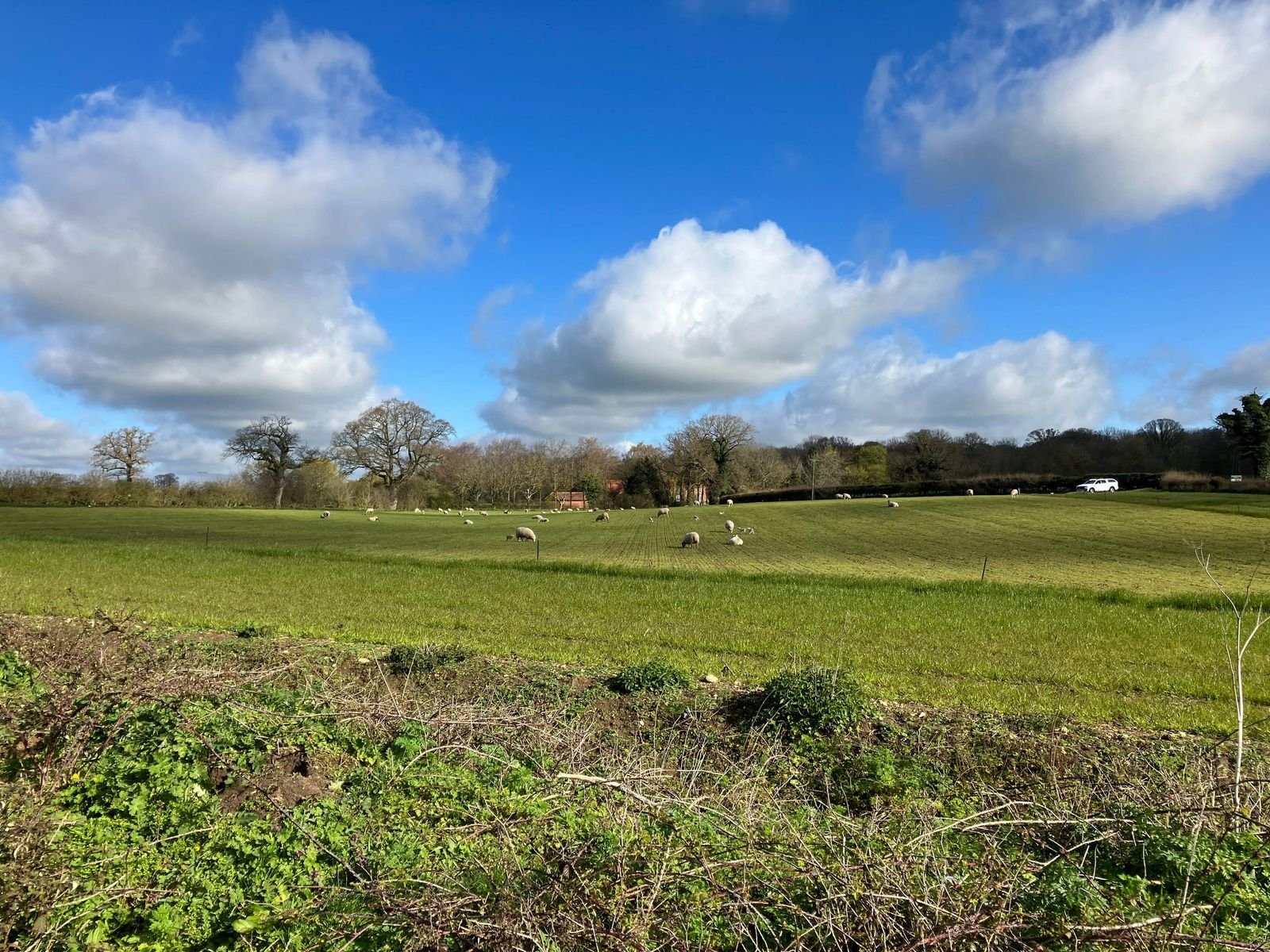

Call for Sites is the first step towards having your site allocated for development.
Local plan and strategic land advice
What is a Call for Sites?
A Call for Sites is an opportunity to put land forward for future development through the Local Plan process. For landowners and developers, it can be an important first step towards securing an allocation or establishing future development potential.
Strategic land promotion starts early
Submitting a site through a Call for Sites does not guarantee allocation, but it can place the land on the Council's radar and start the process of demonstrating why it may be suitable, available and achievable for development.
What does Call for Sites mean?
A Call for Sites is a process used by local planning authorities when preparing or reviewing a Local Plan. The Council invites landowners, developers, agents and other interested parties to submit land that may be suitable for future development.
Sites may be promoted for housing, employment, mixed-use development, commercial development, community uses, renewable energy or other forms of growth depending on the Council's Local Plan process and evidence requirements.
Once submitted, the Council will usually assess the site through its evidence base. This may include consideration of location, access, constraints, landscape, heritage, flood risk, ecology, infrastructure, deliverability and consistency with the emerging spatial strategy.
Why does a Call for Sites matter?
The Local Plan is one of the most important planning documents for future development. If land is allocated in an adopted Local Plan, the principle of development is usually significantly stronger than it would be on an unallocated site.
For landowners and developers, submitting land through a Call for Sites can be a valuable opportunity to influence the long-term planning strategy for an area. It can also help identify whether a site has realistic prospects or whether a different planning strategy may be more appropriate.
Unlock potential value
A successful allocation can significantly improve the planning prospects and future value of land.
Build a future pipeline
Call for Sites submissions can support longer-term site promotion and development pipeline planning.
What should a Call for Sites submission include?
Councils often provide a standard form or online portal for Call for Sites submissions. However, simply completing the form may not be enough to present the site in the strongest possible way.
A stronger submission will usually explain why the site is suitable, available and achievable. It should also address obvious constraints and explain how the site could contribute positively to the Council's housing, employment or growth strategy.
A good submission may include:
- The site address and location plan.
- Land ownership or confirmation that the land is available.
- The proposed use or development potential.
- Access arrangements and relationship to existing settlements.
- Relevant planning history.
- Key constraints, including flood risk, heritage, ecology, landscape and highways.
- Indicative capacity or broad development concept.
- A supporting planning statement explaining why the site should be considered.
Is a Call for Sites submission enough?
A Call for Sites submission can be a useful first step, but it may not be enough on its own. Where a site is strategically important, contested, constrained or capable of making a significant contribution to local growth, ongoing local plan promotion may be needed.
This can include making representations at later stages of the Local Plan process, responding to consultation documents, challenging site assessment conclusions, attending hearings, or submitting further evidence to demonstrate deliverability.
Cedar Planning can advise whether a basic Call for Sites submission is likely to be sufficient or whether more active local plan representations and promotion would be beneficial.
Call for Sites or local plan promotion?
Our service includes consideration of whether a Call for Sites submission or wider local plan promotion is best for the site. The right approach depends on the site's scale, constraints, policy position, timing and commercial objectives.
Call for Sites
Often suitable where the Council is actively inviting sites and an initial submission is needed.
Local Plan Representations
Often needed where the site must be promoted or defended through consultation stages.
Feasibility Assessment
Useful where the planning prospects, constraints or best route forward are not yet clear.
When should you submit a site?
Timing is important. A Call for Sites window may only be open for a limited period, and each Council will set its own deadline. Some authorities also accept sites outside formal consultation windows, although this does not always mean the site will be assessed immediately.
If a Local Plan is already at an advanced stage, a Call for Sites submission alone may be too late to influence the process. In that situation, local plan representations or a more detailed promotion strategy may be required.
How Cedar Planning can help
Cedar Planning supports landowners, developers and promoters with Call for Sites submissions, local plan representations and early-stage feasibility advice. We can help you understand whether the site has realistic prospects and how best to position it within the Local Plan process.
Our advice is intended to be practical and commercially realistic. We can identify whether the site should be submitted through a Call for Sites, promoted through local plan representations, reviewed through a feasibility assessment, or held back until a stronger planning strategy is available.
Initial site review
We review the location, planning policy position, settlement relationship, constraints and likely development potential.
Strategy advice
We advise whether a Call for Sites submission, local plan promotion or feasibility assessment is likely to be the best route.
Submission preparation
We prepare the necessary forms, supporting planning statement and evidence-led case for why the site should be considered.
Ongoing promotion
Where required, we can support later local plan consultations, representations and strategy updates.
Common mistakes with Call for Sites submissions
- Submitting a site without explaining why it is suitable for development.
- Ignoring obvious constraints such as access, flood risk, heritage or landscape impact.
- Assuming that a Call for Sites submission automatically means the site will be allocated.
- Missing the consultation deadline.
- Failing to make local plan representations at later stages.
- Promoting a site without first assessing its realistic planning prospects.
- Providing insufficient evidence on availability and deliverability.
Call for Sites FAQs
No. Submitting land through a Call for Sites allows the Council to assess it, but allocation will depend on the Local Plan strategy, constraints, evidence base and comparison with other sites.
Yes, greenfield land can often be submitted, but the planning prospects will depend on location, constraints, landscape impact, settlement relationship and the Council's growth strategy.
The Council will usually assess the site as part of its Local Plan evidence base. It may be included, rejected, shortlisted or considered further at later stages.
Sometimes. If the site is not selected, is assessed incorrectly, or needs active promotion through later consultation stages, local plan representations may be important.
Need more guidance on local plans?
Read our Local Plans FAQ for answers on Call for Sites, allocations, representations and how the Local Plan process affects development potential.
Conclusion: a Call for Sites can be the first step, not the whole strategy
A Call for Sites can be an important opportunity to put land forward for future development. However, the strongest approach is usually to understand the site's prospects, identify the correct strategy and prepare a submission that explains why the land is suitable, available and achievable.
Cedar Planning can help assess whether a Call for Sites submission, local plan promotion or feasibility assessment is the right route for your site.
Want to understand your site's Local Plan potential?
Cedar Planning can advise whether a Call for Sites submission, local plan representation or feasibility assessment is the best route for your land.

Dan Malloy MRTPIDirector and Chartered Town Planner at Cedar Planning, with more than ten years of public and private-sector planning experience. About Cedar Planning